
Online Games in Europe: A Guide to Popular Gaming Trends and Experiences
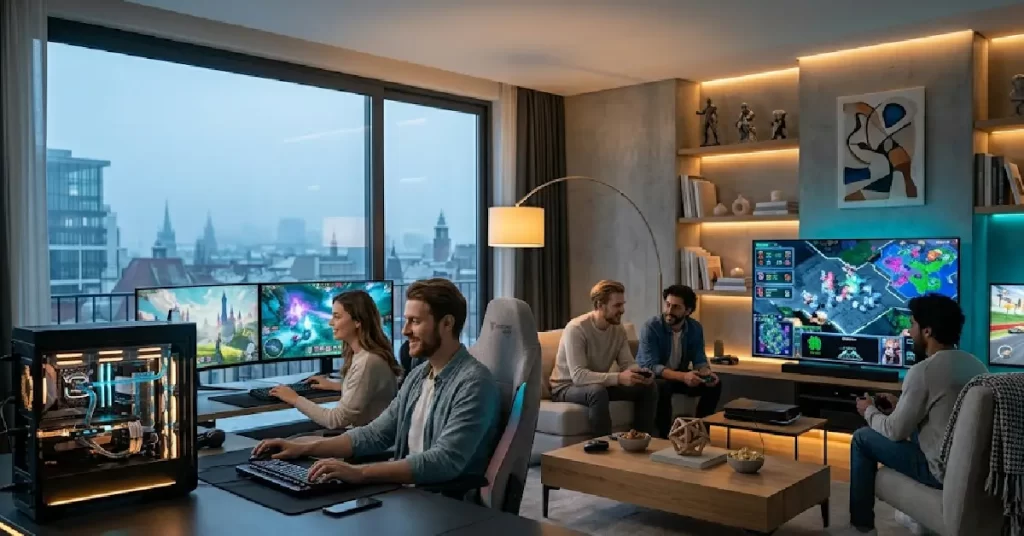
Online gaming has become a major part of digital entertainment across Europe. From competitive multiplayer titles and strategy games to casual browser experiences and massive online worlds, players across the continent have access to an enormous variety of gaming options.
The growth of high-speed internet, affordable gaming hardware, smartphones and digital platforms has made gaming more accessible than ever. Players can connect with friends, compete against people from different countries and discover new games without being limited by geography.
For anyone exploring Online games in Europe, understanding the different types of games, platforms and trends can make it easier to find an experience that matches their interests.
The Growing Popularity of Online Gaming in Europe
Europe has a diverse gaming audience spread across countries, languages and age groups. Gaming preferences can vary significantly between markets, but online multiplayer experiences remain an important part of the overall gaming ecosystem.
PC, console and mobile gaming all have strong communities across Europe. Some players prefer competitive experiences, while others enjoy cooperative adventures, strategy games or short casual sessions.
Digital distribution has also changed how people access games. Instead of purchasing physical copies, players can download games directly through established digital stores and platforms.
Cloud technology and improved internet infrastructure are also creating new opportunities. Depending on location and available services, players can access games without necessarily requiring the most powerful local hardware.
Different Types of Online Games
One of the biggest advantages of online gaming is the variety available. Players can choose from many different genres depending on their interests.
Multiplayer Action Games
Multiplayer action games are popular among players who enjoy fast-paced competition. These games often involve teams or individual players competing against each other in real time.
Success can depend on reaction speed, communication, map knowledge and strategic decision-making.
Strategy Games
Strategy games appeal to players who enjoy planning and long-term decision-making. Online strategy experiences can involve managing resources, developing civilizations, building teams or competing against other players.
These games can be played casually or competitively, depending on the title and community.
Online Role-Playing Games
Massively multiplayer online role-playing games, commonly known as MMORPGs, allow players to explore large virtual worlds.
Players can create characters, complete quests, collect equipment and interact with other players. Some online role-playing games can provide hundreds of hours of content.
Sports Games
Sports games allow players to compete virtually in football, basketball, racing and other sporting activities.
Online modes can allow players to compete against friends or other users, creating a more competitive experience than traditional single-player matches.
Casual and Browser Games
Not every player wants a complicated gaming experience. Casual games are designed for shorter sessions and can often be played on computers or mobile devices.
Browser-based games are particularly accessible because they may not require a large installation or expensive gaming equipment.
PC Gaming in Europe
PC gaming remains an important part of the European gaming landscape. A desktop or laptop can provide access to an extensive selection of online games across multiple genres.
PC gaming can also offer flexibility in terms of hardware upgrades, graphical settings and accessories.
Many competitive players prefer PC platforms because of their precise controls and support for keyboards and gaming mice. At the same time, modern laptops have made PC gaming more portable.
However, players should consider hardware requirements before purchasing or downloading a game. Graphics-heavy titles may require a dedicated graphics card, sufficient RAM and adequate storage space.
Console Online Gaming
Gaming consoles provide another popular way to enjoy online experiences. Modern consoles typically offer online multiplayer features, digital game stores and social functions.
Console gaming can be particularly convenient because the hardware is designed specifically for gaming. Players can connect a console to a television and start playing without building a custom PC.
Different console ecosystems also have different game libraries and online services, so players should compare available titles and features before choosing a platform.
Mobile Online Gaming
Smartphones have expanded gaming access across Europe and around the world.
Mobile games range from simple puzzle titles to highly sophisticated multiplayer experiences. Because smartphones are portable, players can enjoy games during breaks, travel or at home.
Free-to-play models are common in mobile gaming. However, some games may offer optional purchases, subscriptions or other paid features.
Players should understand a game’s pricing model before spending money, particularly when children or younger players have access to a device.
The Role of Internet Connectivity
A reliable internet connection is important for many online games.
Competitive multiplayer titles can be particularly sensitive to latency, commonly known as ping. A stable connection can help reduce interruptions and improve the overall experience.
Internet quality can vary between households and regions. Players who regularly experience connection problems may benefit from checking their router placement, network setup and internet service.
Using a wired connection can sometimes provide greater stability than Wi-Fi, although modern wireless networks can also provide excellent performance when configured correctly.
Gaming Communities Across Europe
One of the most interesting aspects of Online games in Europe is the opportunity to interact with players from different countries.
European gaming communities can include people speaking different languages and coming from different cultural backgrounds. Multiplayer games provide a shared environment where players can communicate, cooperate and compete.
Many games use matchmaking systems to connect players automatically. Others allow users to join communities, guilds, clans or private groups.
Gaming communities can make an online game more enjoyable because players can build friendships and find teammates with similar interests.
However, players should remember basic online safety principles when communicating with strangers.
Online Gaming and Esports
Competitive gaming has developed into a major entertainment category. Esports competitions can attract professional players and large audiences.
European players and teams participate in international competitions across multiple genres. Competitive gaming can require extensive practice, teamwork, communication and strategic preparation.
For casual players, esports can also provide entertainment and inspiration. Watching professional matches can help players understand strategies and techniques used at a high level.
Free-to-Play and Subscription Models
Players exploring online games will encounter several different pricing models.
Free-to-play games allow users to start without purchasing the core game. However, optional purchases may be available for cosmetic items, characters, upgrades or other features.
Premium games require an upfront purchase, while subscription-based games may charge users regularly for access to specific services or content.
Some platforms also offer game subscription services that provide access to collections of titles for a recurring fee.
Before subscribing or purchasing, players should check exactly what is included and whether additional purchases are required.
Online Gaming Safety
Safety is an important consideration for anyone playing online.
Players should avoid sharing sensitive personal information with strangers. This includes home addresses, passwords, financial information and private account details.
Strong, unique passwords and two-factor authentication can provide additional account protection where available.
Parents may also want to use parental controls and review privacy settings when children play online.
Players should be cautious about suspicious links, unsolicited messages and offers that appear too good to be true. Official game stores and verified platforms are generally preferable when downloading games or making purchases.
Responsible Gaming Habits
Gaming can be an enjoyable form of entertainment, but maintaining healthy habits is important.
Taking regular breaks can reduce eye strain and physical discomfort. Players should also maintain a balanced routine that includes sleep, exercise, social activities and other responsibilities.
For younger players, parents can establish age-appropriate gaming schedules and monitor the types of games being played.
The goal is not necessarily to avoid gaming but to make it part of a balanced lifestyle.
How to Choose the Right Online Game
With thousands of games available, choosing one can seem overwhelming.
Start by identifying the preferred genre. Someone who enjoys competition may prefer multiplayer action or sports games, while someone interested in exploration may enjoy role-playing or adventure titles.
Next, consider the platform. Check whether the game is available on PC, console, mobile or multiple devices.
Players should also check age ratings, system requirements, pricing and online features.
Reviews and community discussions can provide additional information, but individual experiences can vary. A game that one player enjoys may not appeal to another.
The Future of Online Gaming in Europe
The future of Online games in Europe is likely to be shaped by improvements in technology, connectivity and digital entertainment.
Cloud gaming could make high-quality gaming more accessible on a wider range of devices. Artificial intelligence may also influence areas such as game development, matchmaking and non-player character behaviour.
Cross-platform gaming is another important development. As more games allow players on different devices to play together, gaming communities can become larger and more connected.
Virtual and augmented reality may also create new forms of interactive entertainment as the technology becomes more accessible.
At the same time, privacy, cybersecurity, age-appropriate design and responsible gaming will remain important topics.
Frequently Asked Questions
What are the most popular types of online games in Europe?
Popular categories include multiplayer action games, strategy games, sports games, role-playing games, casual games and competitive esports titles.
Can I play online games with people from other European countries?
Yes. Many multiplayer games use international matchmaking systems that allow players from different countries to play together, depending on server availability and regional restrictions.
Are online games in Europe available on mobile devices?
Yes. A large selection of online games is available for smartphones and tablets, ranging from casual games to competitive multiplayer experiences.
Are free online games completely free?
Not always. Many free-to-play games can be played without an upfront purchase but may include optional in-game purchases, subscriptions or advertisements.
How can I stay safe while playing online?
Use strong passwords, enable two-factor authentication where available, avoid sharing personal information and be cautious with unfamiliar links or messages.
Final Thoughts
The European online gaming landscape offers something for almost every type of player. From competitive multiplayer matches and esports to casual mobile games and expansive virtual worlds, players have more choices than ever.
For people exploring Online games in Europe, the best approach is to consider their preferred genre, platform, budget and desired style of gameplay. It is equally important to pay attention to online safety, privacy and responsible gaming habits.
As internet connectivity and gaming technology continue to evolve, online gaming will likely remain an important part of Europe’s digital entertainment culture. Whether you enjoy a quick casual match or prefer spending hours exploring a virtual world, there are plenty of gaming experiences to discover.